Hindustani Songs Logo
DICTIONARY
SONGS
SCRIPT
LATIN
HINDI
NASTALIQ
NASKH
LANGUAGE
ENG
SPA
Menu
Hindustani Songs Logo
DICTIONARY
SONGS

تاجدارِ حرم

taajdaar-e-haram
taajdaar-e-haram
Touch on each word to display its meaning
تاجدارِ حرم
King of the Sanctuary
قِسْمَت   میں   میری   چین   سے   جِینا   لکھ   دے !
ڈوبے   نَہ   کَبھی
میرا   سفینہ   لکھ   دے !
جَنَّت   بھی   گوارا   ہے ،  مگر   میرے   لِئے
اے   کاتبِ تقدیر   مدینہ   لکھ   دے
Write in my kismet to have a peaceful life!
Write that
the boat/book of my life never sinks!
Paradise is also acceptable to me, but,
ho, Writer of Destinies, write Medina!
تاجدارِ حرم   [ x2 ]
تاجدارِ حرم
ہو   نِگاہِ کرَم
 [ both lines x2 ]
ہَم   غریبوں   کے   دِن
بھی   سنور   جائیں گے
حامیِ بےکساں
کْیا   کہے گا   جہاں
 [ both lines x2 ]
آپ کے   در   سے   خالی
اَگَر   جائیں گے ؟
تاجدارِ حرم   [ x2 ]
King of the Sanctuary
King of the Sanctuary,
oh, (give us) a look of mercy!
[both lines x2]
(So that) for us too,
the days as destitute ones will be rectified
Oh patron of the poor,
what will the world say
[both lines x2]
if we were to go empty (handed)
from your doorstep?
King of the Sanctuary! [x2]
کوئی   اَپْنا   نَہِیں
غم   کے   مارے   ہَیں   ہَم
 [ both lines x2 ]
آپ کے   در   پہ   فَریاد
لائے   ہَیں   ہَم
ہو   نِگاہِ کرَم
ورنہ   چَوکھٹ   پہ   ہَم
آپ کا   نام   لے   لے   کے   مر   جائیں گے
تاجدارِ حرم   [ x2 ]
We are stricken with grief,
(having) none of our own,
[both lines x2]
We have brought a petition for justice
upon your doorstep
Hey! A look of mercy!
Otherwise, on your door-frame,
we will die naming you
King of the Sanctuary! [x2]
کْیا   تُم   سے   کہوں   عرب   کے   کُنور
تُم   جانتے   ہو   مَن   کی   بتیاں
دارِ فرقت   تو
آئے   اُمی لقب !
کاٹے   نَہ   کٹے   ہَیں   اب   رتیاں ۔
توری   پرِیت   میں   سُدھ   بُدھ   سب   بسری
کَب   تَک   رہے گی   یہ   بےخبری ۔
گاہے   بفگن   دُزدیدہ   نظر
کَبھی   سُن   بھی   تو   لو   ہَماری   بتیاں
What can I say about you, Prince of Arabia?
You know the talk of my heart
At the gallows of separation,
oh, you, Unlettered One, shall really come.
We have been passing the nights with difficulty.
In your affection, all memory is forgotten
for as long as this unawareness will remain.
Cast a furtive glance towards (us) sometime!
Just listen our words too, sometime!
آپ کے   در   سے   کوئی
نَہ   خالی   گیا
 [ both lines x3 ]
اپْنے   دامن   کو   بھر   کے   سوالی   گیا   [ x2 ]
ہو   حبیبِ حزیں  [ x2 ]
پَر   بھی   آقا   نظر
ورنہ   اوراقِ ہستی
بکھر   جائیں گے
 [ both sentences x2 ]
تاجدارِ حرم   [ x2 ]
No one ever returned
empty-handed from your door
[both lines x3]
the petitioner left having filled his lap [x2]
Ho! Upon the beloved of sadness (me),
Master, also a look!
Otherwise, the pages of my existence
will scatter
[both sentences x2]
King of the Sanctuary! [x2]
مے کشو   آؤ   آؤ
مدینے   چَلیں   [ x4 ]
 [ both verses x2 ]
Come, come, wine-drinkers,
let's go to Medina! [x4]
[both verses x2]
آؤ   مدینے   چَلیں   [ x2 ]
اِسی   مہینے   چَلیں !
آؤ   مدینے   چَلیں
 [ both sentences x2 ]
تجلیوں   کی   عجب
ہے   فِضا   مدینے   میں   [ x2 ]
نِگاہِ شوق   کی
ہے   اِنتہا   مدینے   میں   [ x2 ]
غمِ حیات   نَہ   خوفِ قضا
مدینے   میں   [ x2 ]
نمازِ عشق   کریں گے   ادا
مدینے   میں   [ x2 ]
براہِ راست   ہے   راہِ خدا   مدینے   میں
Come, let's go to Medina! [x2]
Let's go this very month!
Come, let's go to Medina!
[both sentences x2]
The wonder of splendours
is in the air in Medina [x2]
The end of the ever-seeking gaze
is in Medina [x2]
Neither sorrow of life nor fear of death
in Medina [x2]
We will perform the prayer of love
in Medina [x2]
Clear and direct is the path to God in Medina
آؤ   مدینے   چَلیں   [ x2 ]
اِسی   مہینے   چَلیں ،
آؤ   مدینے   چَلیں !
Come, let's go to Medina! [x2]
Let's go this very month,
Come, let's go to Medina!
مے کشو   آؤ   آؤ
مدینے   چَلیں   [ x2 ]
دستِ ساقی ءِ کوثر   سے
پینے   چَلیں   [ x2 ]
یاد   رکھو   اَگَر   [ x4 ]
اُٹھ   گئی   اِک   نظر
جتنے   خالی   ہَیں   سب   جام
بھر   جائیں گے
 [ last 3 verses x2 ]
تاجدارِ حرم   [ x2 ]
Come, come, wine-drinkers!,
let's go to Medina! [x2]
Let's go to drink
from the hand of the cup-bearer of Kausar [x2]
Keep in mind that if [x4]
(just) one look (suddenly) happens
As many wine-cups as are empty,
all will be filled!
[last 3 sentences x2]
King of the Sanctuary! [x2]
خوفِ طوفان   ہے
بجلیوں   کا   ہے   ڈر   [ x2 ]
سخت   مُشکِل   ہے   آقا
کِدَھر   جائیں   ہَم ؟  [ x2 ]
آپ   ہی   گر   نَہ   لیں گے   ہَماری   خبر
ہَم ،  مُصیبت   کے   مارے ،  کِدَھر   جائیں گے
 [ both verses x2 ]
تاجدارِ حرم   [ x2 ]
There is fear of the storm,
and dread of lightning [x2]
Our difficulty is severe, master,
to where should we turn? [x2]
If you didn't, indeed, take notice of us
where will we, stricken by calamity, go?
[both verses x2]
King of the Sanctuary! [x2]
یا   مُصطفیٰ ،
یا   مُجتبیٰ
 [ both verses x2 ]
اِرْحَمْ   لَنا   [ x2 ]
دستِ ہمہ بیچارہ را
دامان توئی   [ x2 ]
من عاصیم
من عاجزم
من بےکسم
حالِ مرا
پرسان توئی   [ x4 ]
Oh Mustafa (the chosen one),
Oh Mujtaba (the selected one)
[both verses x2]
show us mercy [x2]
For the hands of all the helpless ones
you are the lap [x2]
I am a sinner
I am feeble
I am alone
Inquire [x4] (on Judgment Day)
about my condition!
اے   مُشک بید   عنبر   فِشاں
پیکِ نسیمِ صبح دم
اے   چارہ گر عیسٰی نفس !
اے   مونسِ بیمارِ غم !
اے   قاسدِ فرخندہ پا !
تُجھ کو   اُسی   گُل   کی   قسم
Oh musk-willow spraying fragrance,
sweet breeze of the early morning
Oh Healer with the Breath of Jesus!
Oh, Consoler of the Afflicted with Grief!
Oh Messenger of the Auspicious Feet!
I swear to you, (by) that same flower
اِن   نَلْتی   یا   ریح آصَّبا
یَوماً   اِلی   اَرضِ اَلحَرَم
بَلِغ   سَلامی   رَوضۃاً
فِیہا   اَلنّبی   اْلمُحْتَرَم
Oh, morning breeze, if you reach
that sacred land someday,
convey my greetings to the grave
where the revered prophet (rests).
تاجدارِ حرم
ہو   نِگاہِ کرَم
 [ both lines x2 ]
ہَم   غریبوں   کے   دِن   بھی
سنور   جائیں گے
حامیِ بےکساں
کْیا   کہے گا   جہاں   [ x2 ]
آپ کے   در   سے   خالی
اَگَر   جائیں گے ؟
تاجدارِ حرم   [ x3 ]
King of the Sanctuary,
oh, (give us) a look of mercy!
[both lines x2]
(So that) for us too,
the days as destitute ones will be rectified
Oh patron of the poor,
what will the world say [x2]
If we were to go
empty (handed) from your doorstep?
King of the Sanctuary! [x3]

About this song

Singer
Atif Aslam
Lyrics
Purnam Allahabadi
Show
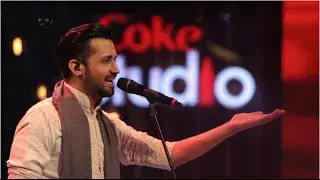
Coke Studio (2015)

taajdaar-e-haram (Hindi: ताजदार-ए-हरम, Urdu: تاجدارِ~حرم) "King of the Sanctuary" is a famous song written by the Indo-Pakistani poet Purnam Allahabadi (his real name was Mohammed Musa). It was performed by the Pakistani Singer Atif Aslam in 2015 during season 8 of the TV musical series "Coke Studio Pakistan"

The Coke Studio version was abridged and arranged, to make it appealing to a wider audience.

The title of this song is the phrase taajdaar-e-haram which is in fact 2 words, taajdaar and haram, joined by the nexus -e- in a characteristically Urdu way of joining words known as "izafat", in this case, it indicates possession or relation.

taajdaar means "king", or, more precisely "crowned one", and haram means a sacred or forbidden place (that is where the word "harem" comes from); but in this case, it means "sanctuary".

Therefore, the phrase taajdaar-e-haram can be translated as "King of the (Holy) Sanctuary" or "Crowned one of the Sacred/Forbidden Place".

The king in question is the Prophet Muhammad, and the sanctuary is most likely the Kaaba, the structure within the Great Mosque of Mecca that is considered the holiest place in Islam.

Muslims are required to perform a pilgrimage to Mecca at least once in their lifetime. This song, however, doesn't refer to a pilgrimage to Mecca but to Medina, the second holiest city in Islam.

The song's lyrics represent the plea of a Muslim pilgrim towards the Prophet Muhammad, to achieve divine grace when travelling to Medina.

The style of the song is a typical South Asian musical composition form called "qawwali". And more specifically, it is a "naat", a type of qawwali that mainly consists of praises to the Prophet Muhammad.

The Prophet Muhammad is called with the following epithets:

taajdaar-e-haram: already explained, King or the Sanctuary kaatib-e-taqdiir: Writer of Destinies haamii-e-beksaaN: Patron of the Poor arab ke kuNvar: Prince of Arabia ummii-laqab: He Who is Called the Unlettered One. This is because Muhammad is believed to have been illiterate before the Quran was revealed to him, and then he is believed to have acquired the ability to read suddenly and miraculously aaqaa: master, Lord dast-e-saaqii-e-kausar: The Cup-Bearer of Kausar. Kausar is a fountain, or body of liquid, believed to be located in the Muslim paradise. The liquid is most likely wine (although, strictly speaking, drinking alcohol is forbidden to observant Muslims) mustafaa: The Chosen One (it is also a common given name) mujtabaa: The Selected One mushk-bed: Musk Willow, an aromatic shrub believed to have healing properties paik-e-nasiim-e-subah dam: Messenger of the Early Morning Breeze chaarahgar iisaa nafas: Healer with the Breath of Jesus muunas-e-biimaar-e-Gam: Companion (or Consoler) of the Afflicted with Grief qaasid-e-pharxandaa paa: Messenger of the Auspicious Feet annabii almuhatram: The Revered Prophet

Many of these epithets are not exactly Hindustani, but words with strong Persian, Arabic, or dialectal Urdu influence.

This song was originally popularized by a Pakistani Sufi qawwali band called "The Sabri Brothers". The band was formed in 1956 around its two original and most prominent members, the brothers Ghulam Farid Sabri and Maqbool Ahmed Sabri, and it has remained enormously famous and active until the present day.