ہَم دیکھیں گے
Touch on each word to display its meaning
لازِم ہے کِہ ہَم بھی دیکھیں گے
وہ دِن کِہ جِس کا وعدہ ہے
جو لَوحِ اَزَل میں لِکھا ہے
It is certain that we too will see
that day of which there is a promise
that has been written in the tablets of eternity
جَب ظُلم و سِتَم کے کوہِ گِراں
رُوئی کی طَرَح اڑ جائیں گے
ہَم مَحْکُوموں کے پانو تَلے
جَب دھرتی دَھڑ دَھڑ دَھڑَکْے گی
اَور اہلِ حَکَم کے سَر اُوپَر
جَب بِجلی کَڑ کَڑ کڑکے گی
When the heavy mountains of tyranny and oppression
will blow away like cotton
under the feet of ours, the oppressed.
When the earth will pulsate with a constant thud
and, on the heads of the rulers,
when lightning will relentlessly thunder
جَب اَرْضِ خُدا کے کَعْبَے سے
سب بُت اُٹھوائے جائیں گے
ہَم اہلِ صَفَہ مَردُودِ حَرَم
مَسنَد پہ بِٹھائے جائیں گے
سب تاج اُچھالْے جائیں گے
سب تَخْت گرائے جائیں گے
From the Kaaba of God's land
all idols will be taken out
when the pure people, (which had been) barred from the sanctuary
will be seated on an exalted cushion
Crowns will be tossed up
Thrones will be brought down
بَس نام رہے گا اللہ کا
جو غائِب بھی ہے حاضِر بھی
جو منظر بھی ہے ناظِر بھی
اُٹھے گا اَنا الْحق کا نارا
جو مَیں بھی ہوُں اَور تُم بھی ہو
اَور راجْ کرے گی خلقِ خُدا
جو مَیں بھی ہوُں اَور تُم بھی ہو
Only the name of God will remain
who is unseen yet present
who is both the spectacle and the spectator
A cry of "I am the truth" will rise
which is I, and you as well
And then, God's creatures will rule,
which is I and you as well.
About this song
- Singer
- Iqbal Bano
- Lyrics
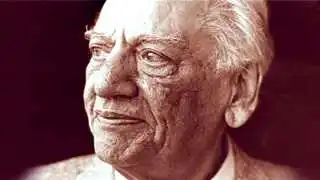
- Faiz Ahmad Faiz
ham dekheNge (Hindi: हम देखेंगे, Urdu: ہم دیکھیں گے), "We Shall See", is a poem or "nazm" written by the poet Faiz Ahmad Faiz.
The poem skillfully uses Islamic terminology and imagery to protest against oppressive regimes. Faiz was a political activist and a committed communist, and his work was banned in Pakistan during the de facto military regime of Muhammad Zia-ul-Haq. This government was marked by the adoption of strict Islamizing measures in Pakistan as a means of enforced cohesion and control.
One of the most famous interpretations of this poem (and the musical rendition that popularized it) was by the Indo-Pakistani singer Iqbal Bano, who performed it in 1986 in front of a large crowd.
At the time, Faiz was in exile and his poems were banned in Pakistan by Zia's order.
In an even greater act of defiance, Ms. Bano performed wearing a sari, an outfit that had also been banned by Zia for being considered "Indian".
Zia ordered the destruction of all recordings of her performance, but without success.
Since then, the poem has been used across India and Pakistan as a general anthem of protest, hope, social change, and even patriotism.
Although the poem is popularly known as ham dekheNge, its real title is wa yabqaa wajhu rabbika, an Arabic phrase meaning “And the face of your Lord shall remain.”