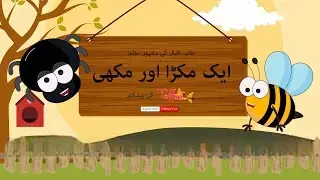
ایک مکڑا اَور مَکّھی
Touch on each word to display its meaning
اِک دِن کِسی مَکّھی سے یہ کہنے لگا مکڑا
اِس راہ سے ہوتا ہے گُزر روز تُمْہارا
لیکن مِری کُٹْیا کی نَہ جاگی کَبھی قِسْمَت
بھولے سے کَبھی تُم نے یہاں پاؤں نَہ رَکّھا
One day, to some fly, a spider started telling this:
"Your passing from this path happens daily,
but my hut's fate never rose
(so that) you would perchance set foot here"
غیروں سے نَہ ملیے تو کوئی بات نَہِیں ہے
اپنوں سے مگر چاہِئے یوں کھنچ کے نَہ رَہْنا
آؤ جو مِرے گھر میں تو عِزَّت ہے یہ میری
وہ سامْنے سیڑھی ہے جو مَنظُور ہو آنا
"Don't meet with strangers, that's not an issue,
but with one's own, it is necessary not to stay withdrawn in such a way"
"Should you come to my house, it would be an honor,
those are the stairs, if you would accept to come"
مَکّھی نے سنی بات جو مکڑے کی تو بولی
حَضْرَت کِسی نادان کو دیجے گا یہ دھوکا
اِس جال میں مَکّھی کَبھی آنے کی نَہِیں ہے
جو آپ کی سیڑھی پہ چَڑھا پِھر نَہِیں اترا
When the fly heard the words of the spider, she said:
"Sir! Try this deception with someone naïve!
In this net, there must never be the coming of a fly!
Whoever went up your stairs, never descended!"
مکڑے نے کہا واہ فَریبی مُجھے سمجھے
تُم سا کوئی نادان زمانے میں نَہ ہو گا
مَنظُور تُمْہاری مُجھے خَاطِر تھی وَگرنَہ
کُچھ فائِدَہ اَپْنا تو مِرا اِس میں نَہِیں تھا
The spider said: "Whoa, you assume I am deceptive?
There couldn't be a naïve one such as you in the world!
I had only intended consideration towards you, otherwise …
there wasn't any benefit for me in this"
اڑتی ہوئی آئی ہو خُدا جانے کَہاں سے
ٹھہرو جو مِرے گھر میں تو ہے اِس میں بُرا کْیا
اِس گھر میں کئی تُم کو دکھانے کی ہَیں چیزیں
باہَر سے نظر آتا ہے چھوٹی سی یہ کُٹْیا
"You have come flying from God knows where.
Should you pause at my home, what would be the evil in this?
In this house, there are some things to show to you:
From the outside, this hut appears smallish, (but) …"
لَٹْکے ہوئے دَرْوازَوں پہ بارِیک ہَیں پَرْدَے
دِیواروں کو آئینوں سے ہے مَیں نے سجایا
مِہمانوں کے آرام کو حاضِر ہَیں بِچھونے
ہر شَخْص کو سامان یہ مُیَسَّر نَہِیں ہوتا
" … the curtains hanging on the doors are fine,
the walls, I have arranged with mirrors.
For the comfort of guests, bedding is ready.
This apparatus is not available to every person!"
مَکّھی نے کہا خَیر یہ سب ٹھیک ہے لیکن
مَیں آپ کے گھر آؤں یہ اُمِّید نَہ رکھنا
اِن نَرْم بِچھونوں سے خُدا مُجھ کو بچائے
سو جائے کوئی اِن پہ تو پِھر اُٹھ نَہِیں سکتا
The fly said: "All this is well and good, but
you must not keep this hope that I shall come to your home.
May God protect me from this warm bedding,
on which, whoever goes, can never get up!"
مکڑے نے کہا دِل میں سنی بات جو اُس کی
پَھن٘سوں اِسے کِس طَرَح ؟ یہ کَم بَخْت ہے دانَہ
سَو کام خوشامَد سے نکلتے ہَیں جہاں میں
دیکھو جِسے دُنیا میں خوشامَد کا ہے بندہ
The spider said to himself, when she heard her words:
Which way shall I ensnare her? This retched one is wise!
In the world, a hundred tasks must be accomplished with flattery.
Whoever you might see in the world, is a servant of flattery."
یہ سوچ کے مَکّھی سے کہا اُس نے بَڑی بی
اللہ نے بَخشا ہے بَڑا آپ کو رُتبہ
ہوتی ہے اُسے آپ کی صورت سے مُحَبَّت
ہو جِس نے کَبھی ایک نظر آپ کو دیکھا
Having thought this, he said to the fly: "Great Miss …
God has granted great status to you!
He falls in love with your face,
whoever has one glance at you!"
آنکھیں ہَیں کِہ ہیرے کی چمکتی ہوئی کنیاں
سَر آپ کا اللہ نے کَلْغی سے سجایا
یہ حُسن یہ پوشاک یہ خُوبی یہ صَفائی
پِھر اُس پہ قِیامَت ہے یہ اڑتے ہوئے گانا
Are (those) eyes or shining diamond dust?
God has adorned your head with a crown!
This beauty, this attire, this quality, this purity!
Then, on top of that, is this singing while flying!
مَکّھی نے سنی جَب یہ خوشامَد تو پَسِیجْی
بولی کِہ نَہِیں آپ سے مُجھ کو کوئی کَھٹَکْا
اِنْکار کی عادت کو سمجھتی ہوُں بُرا مَیں
سَچ یہ ہے کِہ دِل توڑنا اچّھا نَہِیں ہوتا
When the fly heard this flattery, she was moved.
She said: "I have no apprehension towards you"
"I understand the habit of refusal is bad"
"It is true that breaking hearts is not good"
یہ بات کہی اَور اُڑی اپْنی جگہ سے
پاس آئی تو مکڑے نے اُچَھلْ کَر اُسے پکڑا
بھوکْا تھا کئی روز سے اب ہاتھ جو آئی
آرام سے گھر بیٹھ کے مَکّھی کو اُڑایا
She said this and flew from her place
She came close, the spider jumped and caught her
For some days he had been hungry. Now, as she came within reach,
he sat comfortably at home and ate the fly with gusto
About this song
- Lyrics
- Allama Iqbal
ek makRaa aur makkhii (Hindi: एक मकड़ा और मक्खी, Urdu: ایک مکڑا اَور مَکّھی) "A Spider and a Fly", was a fable written in poem (nazm) form by Allama Iqbal.
The story is about how a spider entices a fly to come closer in order to eat it.
(the word makkhii can also refer to a bee).
The fly is initially reluctant, but it is convinced by the spider through flattery.
It is perhaps important to point out that the word for spider is makRaa, masculine, while the word for fly is makkhii, feminine. Therefore in the poem the spider is referred as to as "he", and the fly as "she".
The fly is initially reluctant, but she is eventually convinced to come closer when the spider starts complimenting her appearance.
In the final stanza, the verb uRaanaa is used to describe what the spider does to the fly.
It might be a play of words as uRaanaa could have multiple meanings there: to make someone fly, to finish someone off, to eat someone with relish, etc.
The poem was part of Iqbal's book "Bang-e-Dara" (The Call of the Marching Bell) published in 1924.
In the accompanying video clip, it is narrated by a girl called Fatimah-Zahra as part of a Youtube channel for kids called "TofeeTV".