

اب کے ہَم بچھڑے
ab ke ham bichhRe
Touch on each word to display its meaning
اب کے ہَم بچھڑے
Now That We Parted
اب کے ہَم بچھڑے تو شاید کَبھی خوابوں میں ملیں
جِس طَرَح سُوکھے ہوئے پُھول کِتابوں میں ملیں
Now that we parted, we might perhaps meet in dreams
the way drying flowers are found in books
ڈُھونڈْھ اجڑے ہوئے لوگوں میں وفا کے موتی
یہ خَزانَے تُجھے مُمکن ہے خَرابَوں میں ملیں
Seek pearls of faithfulness in those people being devastated
For you, it is possible that these treasures be found in wastelands
تُو خُدا ہے نَہ مِرا عِشْق فَرِشْتَوں جَیسا
دونوں اِنسان ہَیں تو کیوں اتنے حِجابوں میں ملیں
Neither you are God, nor (my) love is angelical
We are both human, so why do we meet that much in modesty?
غَمِ دُنیا بھی غَمِ یار میں شامِل کَر لو
نشہ بڑھتا ہے شَرابیں جو شَرابوں میں ملیں
Let's not compound the woes of the world with the pain for the beloved
Intoxication deepens when spirits intermingle
اب نَہ وہ مَیں نَہ وہ تُو ہے نَہ وہ ماضی ہے فَراز
جیسے دو شَخْص تمنّا کے سَرابوں میں ملیں
Now, neither I nor you are what lies in the past, Faraz
Like the desire of two individuals meeting in a mirage
About this song
- Singer
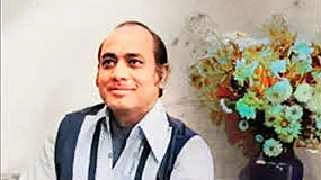
- Mehdi Hasan
- Lyrics
- Ahmed Faraz
- Music
- Mehdi Hasan
ab ke ham bichhRe (Hindi: अब के हम बिछड़े, Urdu: اب کے ہم بچھڑے) are the starting words of a ghazal form by the famous Urdu poet Ahmed Faraz.
Notice how, in the last couplet, the poet addresses himself (Faraz) by name, as it is customary in the genre.
The lyrics given here are just the plain ghazal couplets, for clarity, without the repetitions done by the singer.
This ghazal was made popular by the singer Mehdi Hasan, who also composed the music for the live presentation reproduced in this video clip.
But this ghazal was musicalized and interpreted by many other artists from both India and Pakistan, and it was used in films, for example, the 1972 Pakistani film "Angarey".