

तेरे सदक़े बलम
tere sadqe balam
Touch on each word to display its meaning
तेरे सदक़े बलम
For your own sake, beloved!
तेरे सदक़े बलम न कर कोई ग़म
यह समाँ यह जहान फिर कहाँ
[ full stanza x2 ]
For your own sake, beloved, let no grief weigh you down!
When will this moment, this world, ever come again?
[full stanza x2]
दिन हैं सुहाने फिर कौन जाने आए न आए बहार
तू ग़म को पी ले दम भर को जी ले
दुनिया का क्या एतबार
हो जी पिया दुनिया का क्या एतबार
The days are lovely, but who knows if spring will return?
Suppress your sorrow, live each breath to the fullest,
What trust can we place in this world?
Oh, live, my love! What trust can we place in this world?
काँटों में दामन उलझे न साजन
फूलों में हँस के गुज़ार
थोड़ी हँसी है थोड़ी ख़ुशी है
दुख ज़िन्दगी में हज़ार
हो जी पिया दुख ज़िन्दगी में हज़ार
Let your robe not snag on thorns, O beloved,
Pass through the flowers, laughing.
A little laughter, a little joy,
(But) a thousand sorrows in life.
Oh, for your sake, love—a thousand sorrows in life!
नैय्या मिलन की मौजें पवन की
कहती हैं मुझ को पुकार
गाता चला चल हँसता चला चल
जीवन की नदिया के पार
हो जी पिया जीवन की नदिया के पार
The boat of (our) union, the waves of the wind,
Call out to me with their song.
Walk on, singing, laughing,
across the river of life.
Oh, for your sake, love — across the river of life!
About this song
- Lyrics
- Shakeel Badayuni
- Music
- Naushad
- On screen
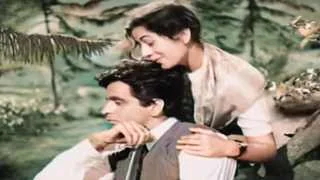
- Madhubala, Dilip Kumar
tere sadqe balam (Hindi: तेरे सदक़े बलम, Urdu: تیرے صدقے بَلَم) "For your own sake, beloved" is a classic Bollywood song from the 1954 film Amar, with music by Naushad and lyrics by Shakeel Badayuni.
In the film's pivotal scene, Anju Roy (Madhubala), an educated upper-class woman, sings this to console his fiancé, the tormented lawyer Amarnath (Dilip Kumar) - unaware that his guilt stems from raping Soniya (Nimmi), a poor orphaned village girl. The song's poetic verses about "cheering up", "seizing the day", and "letting go of sorrow" become devastatingly ironic, contrasting with Amarnath's unconfessed crime.