

अब के हम बिछड़े
ab ke ham bichhRe
Touch on each word to display its meaning
अब के हम बिछड़े
Now That We Parted
अब के हम बिछड़े तो शायद कभी ख़्वाबों में मिलें
जिस तरह सूखे हुए फूल किताबों में मिलें
Now that we parted, we might perhaps meet in dreams
the way drying flowers are found in books
ढूँढ उजड़े हुए लोगों में वफ़ा के मोती
ये ख़ज़ाने तुझे मुमकिन है ख़राबों में मिलें
Seek pearls of faithfulness in those people being devastated
For you, it is possible that these treasures be found in wastelands
तू ख़ुदा है न मिरा इश्क़ फ़रिश्तों जैसा
दोनों इंसान हैं तो क्यूँ इतने हिजाबों में मिलें
Neither you are God, nor (my) love is angelical
We are both human, so why do we meet that much in modesty?
ग़म-ए-दुनिया भी ग़म-ए-यार में शामिल कर लो
नशा बढ़ता है शराबें जो शराबों में मिलें
Let's not compound the woes of the world with the pain for the beloved
Intoxication deepens when spirits intermingle
अब न वह मैं न वह तू है न वह माज़ी है फ़राज़
जैसे दो शख़्स तमंना के सराबों में मिलें
Now, neither I nor you are what lies in the past, Faraz
Like the desire of two individuals meeting in a mirage
About this song
- Singer
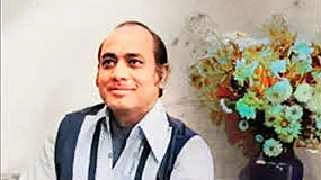
- Mehdi Hasan
- Lyrics
- Ahmed Faraz
- Music
- Mehdi Hasan
ab ke ham bichhRe (Hindi: अब के हम बिछड़े, Urdu: اب کے ہم بچھڑے) are the starting words of a ghazal form by the famous Urdu poet Ahmed Faraz.
Notice how, in the last couplet, the poet addresses himself (Faraz) by name, as it is customary in the genre.
The lyrics given here are just the plain ghazal couplets, for clarity, without the repetitions done by the singer.
This ghazal was made popular by the singer Mehdi Hasan, who also composed the music for the live presentation reproduced in this video clip.
But this ghazal was musicalized and interpreted by many other artists from both India and Pakistan, and it was used in films, for example, the 1972 Pakistani film "Angarey".